COME

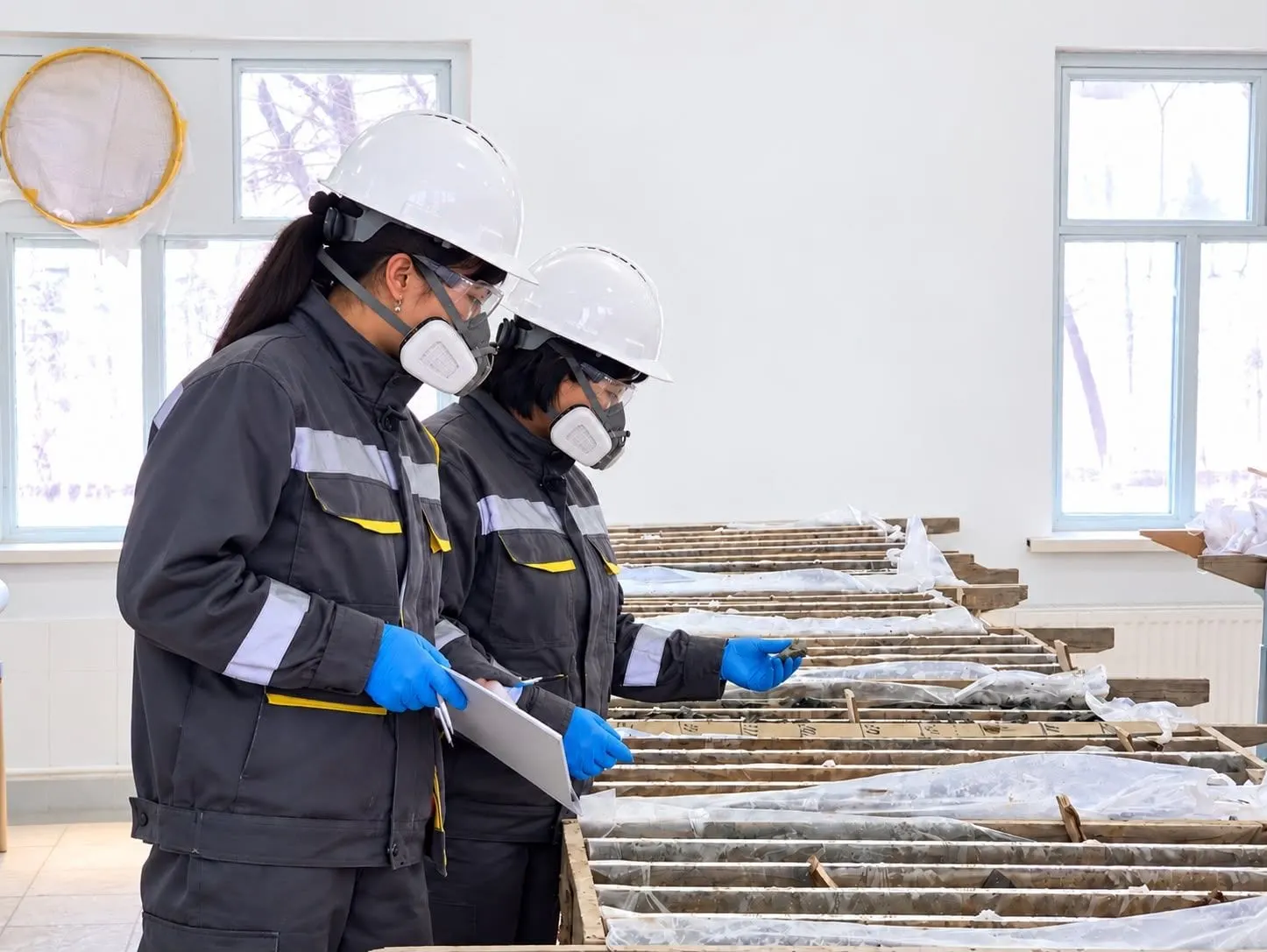
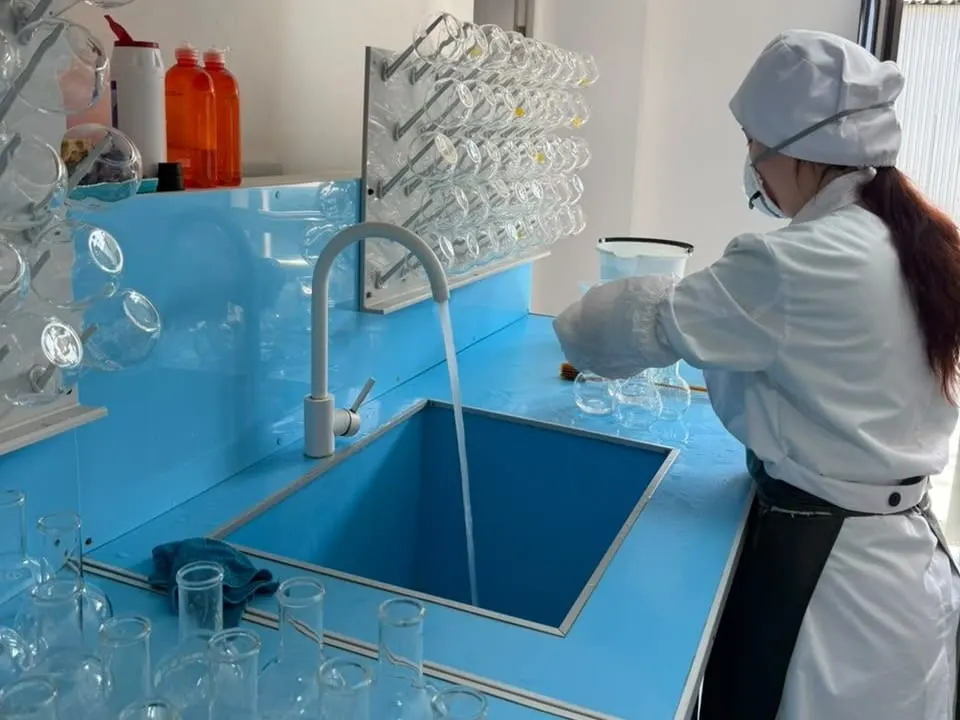
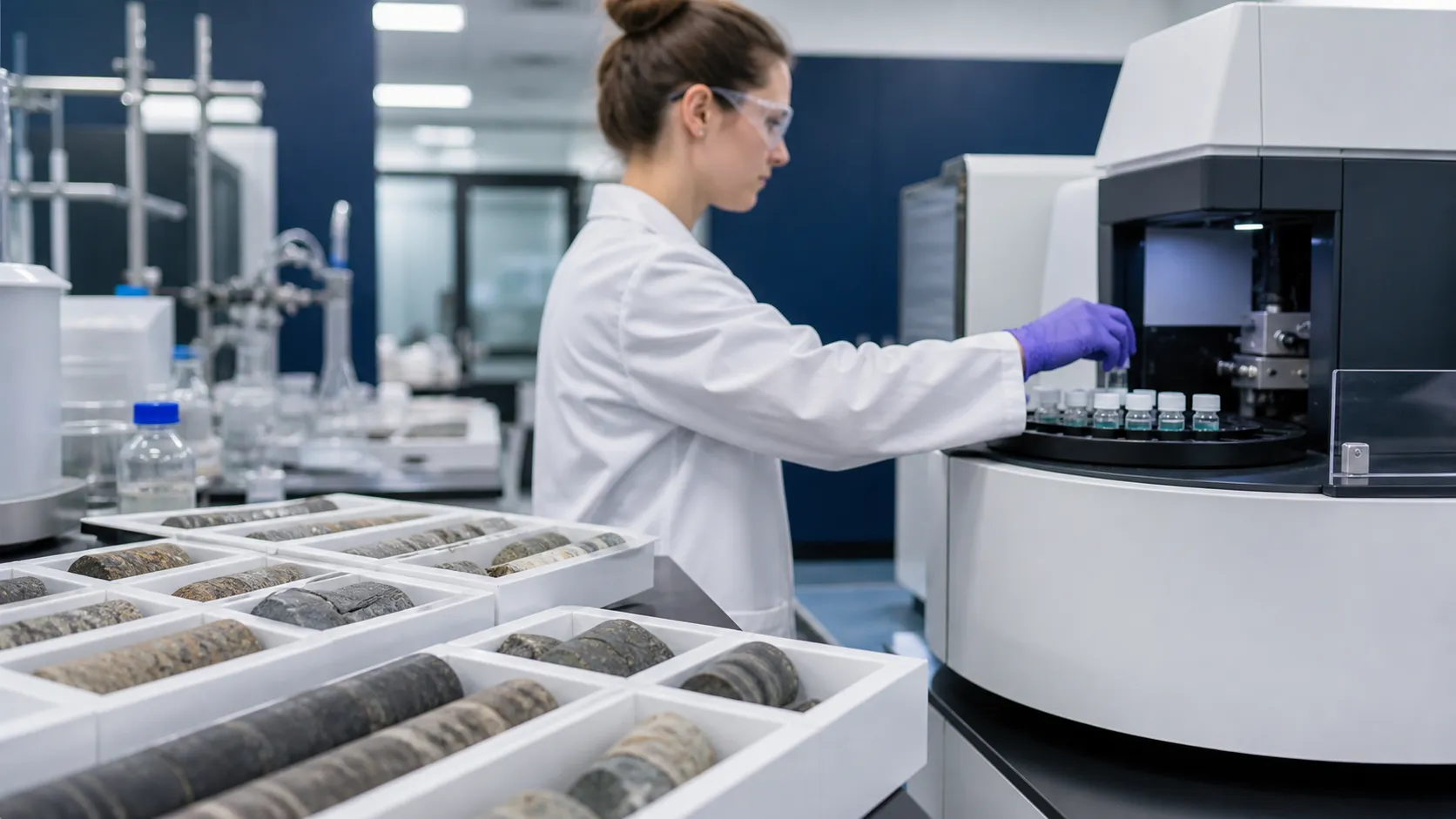
Analytical laboratory: preparing samples for spectrometry (illustrative image)

COME

Central Experimental and Methodological Expedition

Principal activities of COME

Engineering and reserve estimation

Preparation of exploration programmes, feasibility studies for commercial cut-off parameters and geological reports with reserve estimates in accordance with JORC and KAZRC standards, including submission of reserves to the State Reserves Committee.
Digitisation of geological and geophysical data

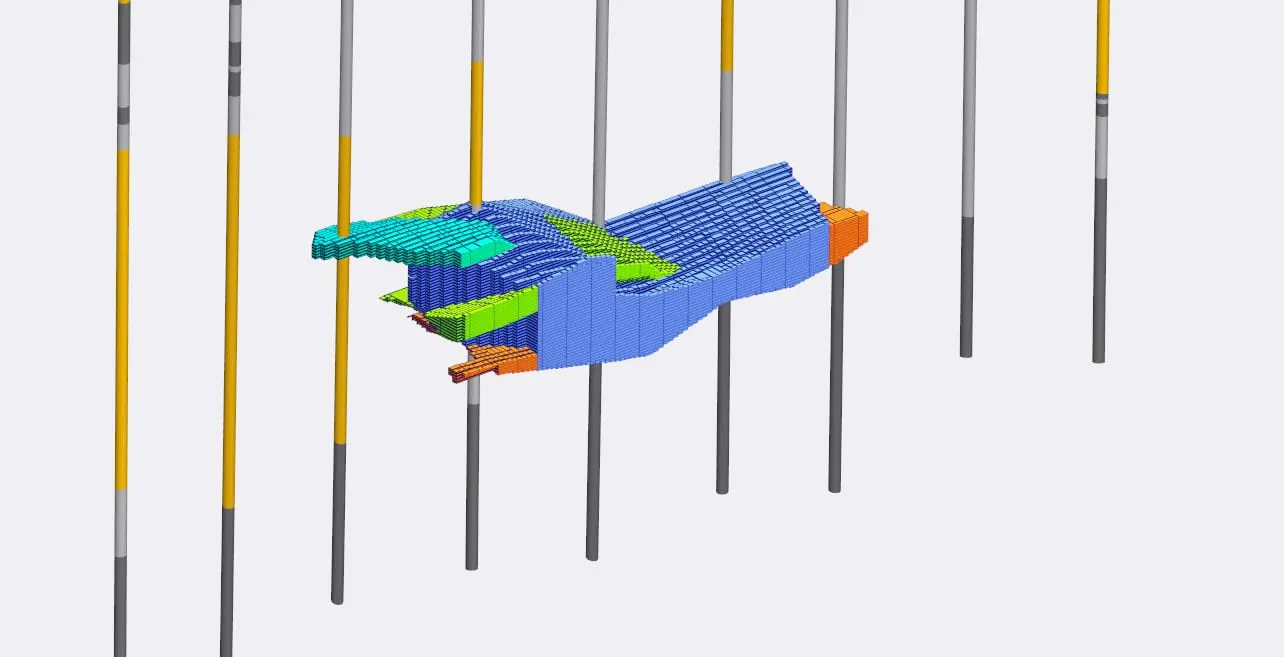
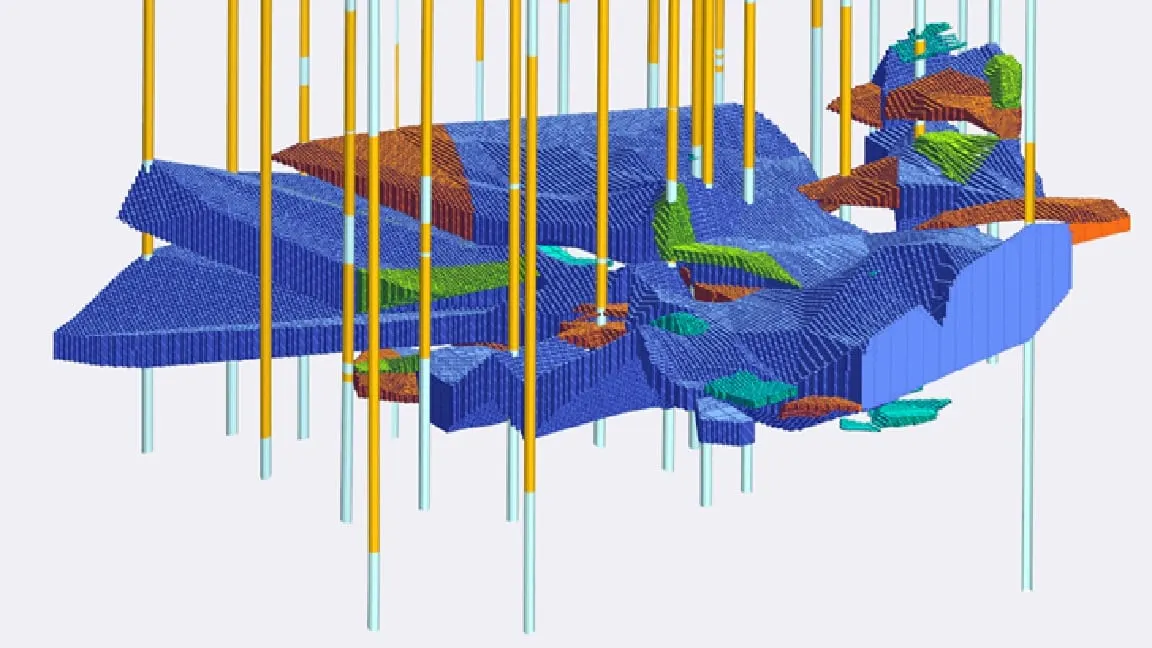
Digitisation and maintenance of geological and geophysical data in the Rudnik information and analytical system, AtomGeo and Micromine, together with software tools for interpreting and processing exploration data.

Drilling technology

Design of technical equipment and improvement of drilling processes to reduce costs and non-productive time, modernise drilling units and increase productivity.

Process testing and analysis

Ore testing to model in-situ recovery and analytical studies of ore, water, sludge, soil and vegetation samples using spectrometric, X-ray, mineralogical and other methods for uranium, radium, rare and rare-earth metals, gold, thorium and other elements.

Research and development

Research and development in geology, geotechnology, chemical technology and digitisation.

Full list of activities· 14
  • Design of mining operations
  • Feasibility studies of commercial cut-off parameters for estimating mineral reserves
  • Geological reports on detailed exploration of uranium deposits with estimates of uranium and associated component reserves
  • Exploration programmes for the appraisal and detailed exploration of uranium deposits and ore sections
  • Geological and environmental support of exploration
  • Environmental protection works and services
  • Research into methods for exploration, environmental, technological and analytical work
  • Design and introduction of technical equipment for drilling and exploration
  • Improvement of drilling technology
  • Development and improvement of drilling fluid formulations
  • Development of an information and analytical system for geological and geophysical data
  • Maintenance of a database of historical and current uranium borehole surveys
  • Electronic ore passports of exploration boreholes, cross-sections and maps
  • Organisation and testing of water, ore, rock, soil, ground and process solution samples

COME · geology

Reserve reports, cut-off feasibility studies and exploration projects

The COME geological service prepares reports with estimates of uranium and associated component reserves, feasibility studies of cut-off parameters, and exploration projects and plans. Summary of work by deposit and prospecting area, 2003–2026.

reserve estimation and re-estimation reports, including 2 mineral resources and reserves reports
41reserve estimation and re-estimation reports, including 2 mineral resources and reserves reports
feasibility studies of cut-off parameters
9feasibility studies of cut-off parameters
exploration and prospecting projects and plans
17exploration and prospecting projects and plans
prospecting and geological study reports
9prospecting and geological study reports

Deposits

  • Budenovskoye

    sections 1–5, Severnoye, Ashykol-2

    • 2004–2021Detailed exploration and estimation of uranium and associated component reserves
    • 2014Feasibility study of commercial cut-off parameters, section 2
    • 2020–2025Exploration plans for rare metals and uranium
  • Inkai

    sections 2, 3 and 4

    • 2007–2024Exploration and estimation of uranium and associated component reserves
    • 2016Feasibility study of commercial cut-off parameters, section 3
    • 2018–2024Exploration projects and plans
  • Mynkuduk

    West, Central, East and Osenny sections

    • 2009Feasibility study of commercial cut-off parameters, West section
    • 2011–2025Estimation and re-estimation of uranium reserves, reserve additions from follow-up exploration
    • 2023Mineral resources and reserves report under the KAZRC Code
  • Moinkum

    sections 1 (South), 2 (Tortkuduk) and 3 (Central)

    • 2004–2016Detailed exploration, appraisal and uranium reserve estimation
    • 2004, 2015Feasibility studies of cut-off parameters, Tortkuduk and Central sections
    • 2015–2019Reserve re-estimation and reconciliation of exploration and production data
    • 2008Specialised deep geological mapping
  • North Kharasan

    Kharasan-1 and Kharasan-2 sections

    • 2009–2013Feasibility studies of permanent and commercial cut-off parameters
    • 2014–2023Exploration and estimation of uranium and associated component reserves
  • Akdala

    including the Letny section

    • 2003Detailed exploration with reserve estimation
    • 2017Appraisal with uranium reserve estimation, Letny section
  • Zhalpak

    • 2019Feasibility study of commercial cut-off parameters
    • 2020Uranium reserve estimation
    • 2023Exploration plan, East Zhalpak section
  • Semizbay

    • 2021Uranium reserve re-estimation
    • 2022Mineral resources and reserves report
  • Uvanas

    • 2014Uranium reserve re-estimation
  • Irkol

    • 2025Uranium resource exploration plan

Prospecting areas and other work

  • 2012–2018Togusken occurrence and East Uvanas area, Shu-Sarysu province: prospecting and appraisal
  • 2016–2020East Zhalpak and East Moinkum sections, Shu-Sarysu province: state geological study of the subsoil and uranium prospecting
  • 2016–2020Akkum-Yanykurgan area, Syrdarya province: prospecting with deep geological mapping
  • 2019–2023Inkai-Mynkuduk section: prospecting project and exploration plan for rare metals and uranium
  • 2025–2026Collection, study and digitisation of archive geological data to identify areas prospective for uranium

COME has also carried out groundwater prospecting and appraisal for water supply to work sites (2024–2025). Hydrogeological services

COME · laboratory

Physical and Chemical Research Laboratory

A specialised production and analytical unit of the branch. The laboratory carries out physical, chemical, radiochemical, mineralogical and process studies for exploration and uranium mining companies. Its core work is determining radioactive elements and radiation parameters in samples.

Sample types

  • Ore and process samples
  • Ground and soil
  • Sludge
  • Natural and process water
  • Vegetation
  • Geological and environmental samples
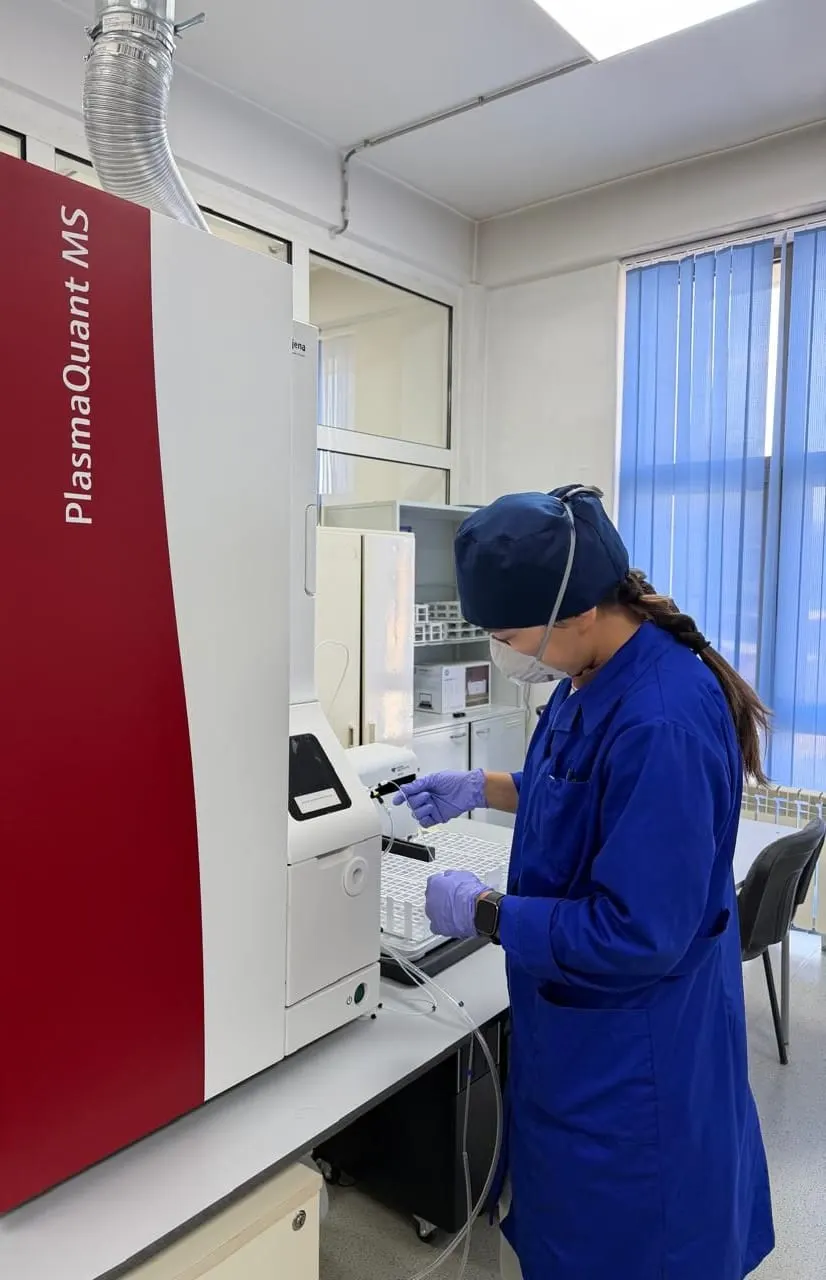
PlasmaQuant MS inductively coupled plasma mass spectrometer

Three specialised departments

  • Chemistry department

    Chemical composition and radioactive components

    • Analysis of ore, water, soil, sludge and vegetation samples
    • Full and short chemical analysis of water
    • Radiochemical determination of uranium, radium, thorium, lead-210 and polonium-210
    • Radiochemical preparation of water samples for gross alpha and beta activity and gamma spectrometry
    • Inductively coupled plasma analysis of ore, soil and water for rare and rare earth elements
  • Process department

    Ore composition and process properties

    • Mineralogical analysis of ore samples
    • X-ray structural and phase analysis
    • Preparation of geological, ore and environmental samples for testing
    • Ore process tests to model in-situ leaching
  • Physics department

    Physical and radiometric properties of samples

    • X-ray fluorescence analysis for uranium and other heavy metals
    • Gamma spectrometry of radionuclides, including radium, thorium and potassium
    • Gross alpha and beta activity

Measurement methods

Inductively coupled plasma spectrometry
Rare and rare earth elements, uranium, thorium, heavy and associated metals
X-ray fluorescence
Composition of ores and beneficiation products
Gamma spectrometry
Natural and man-made radionuclides: Ra, Th, K-40, Cs, Co, Am, Eu
Alpha spectrometry and radiochemistry
Uranium, thorium and radium isotopes; polonium-210 and lead-210
Capillary electrophoresis
Anions and cations in water and aqueous extracts
Radiometry and classical chemistry
Gross alpha and beta activity, full chemical analysis of water

Tests are performed in accordance with the scope of accreditation under GOST ISO/IEC 17025-2019, regulatory documents and approved measurement procedures. The full list of accredited tests is given in the Scope of accreditation document in the next section.

Mineralogical studies

From the form of uranium to the mining regime

Uranium-bearing minerals are identified on an X-ray diffractometer. This makes it possible to forecast recovery in advance, calculate reagent consumption and adjust the in-situ leaching regime to the specific part of the deposit.

Pitchblende
Leaching is more efficient: standard regime and lower reagent consumption.
Coffinite
Recovery is more difficult: a stronger regime is needed, including more concentrated sulphuric acid solutions.
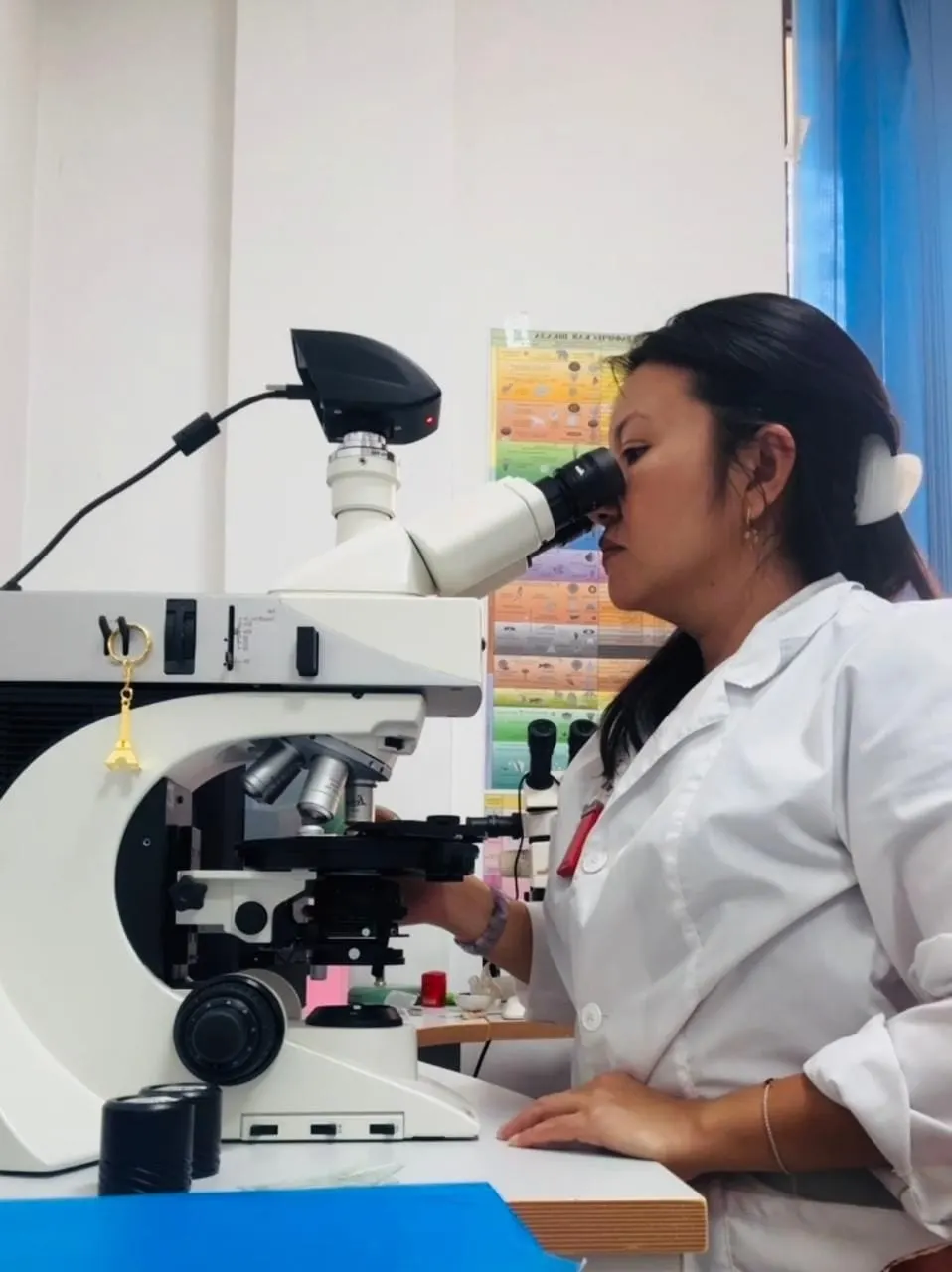
Examining samples under the microscope

What analytical support provides

Speed
Reliable analytical data within the required time
Grade control
Radioactive elements, quality of ores and process solutions
Process control
Tracking changes in process parameters
Lower risk
Early detection of potential process complications
Production planning
Forecasting ore behaviour and more accurate plans
Informed decisions
Operational decisions based on verified data

Cooperation

Work is carried out under agreed terms of reference and schedules. Enquiries are handled by the COME branch reception.

COME laboratory

Accreditation and permits

The branch testing laboratory is accredited by the National Accreditation Centre of the Committee for Technical Regulation and Metrology, Ministry of Trade and Integration of the Republic of Kazakhstan, for compliance with GOST ISO/IEC 17025-2019, General requirements for the competence of testing and calibration laboratories.

Accreditation certificate No.
KZ.T.02.3183
Validity
25.08.202625.08.2031

Scope of accreditation

List of test types and measured parameters

Licences under which the branch operates

The licences are issued to Volkovgeology JSC and cover the Company's production sites, including the COME facility.

  • 24033520 of 21.11.2024

    Handling of radioactive substances, devices and installations

  • 24034286 of 02.12.2024

    Devices and installations generating ionising radiation

  • 24036350 of 26.12.2024

    Services in the field of atomic energy use

  • 26002191 of 23.01.2026

    Transport of radioactive substances and waste (production base: COME)

All licences and certificates

COME · Research and Technology Directorate

Research and development

The Research and Technology Directorate of the COME branch coordinates research and development at Volkovgeology JSC, reviews its results and supports the patenting of new developments.

Areas of activity

  1. Conducting research in geology and geotechnology
  2. Coordinating and monitoring the progress of research and development projects and reviewing their results
  3. Identifying new developments, supporting their patenting and managing the intellectual property created through research and development
  4. Promoting and diversifying in-situ recovery (ISR) technologies for deposits of other metals: tungsten, copper, molybdenum, gold, nickel, cobalt and rare earth elements
  5. Building mutually beneficial research and educational ties, alliances and exchanges with leading universities and research centres in Kazakhstan and abroad
  6. Taking part in international scientific and technical conferences, and supporting the participation of Volkovgeology JSC and other Kazatomprom subsidiaries and affiliates in specialist congresses and conferences

R&D portfolio

Ongoing R&D · 2025–2026Drilling equipment

“Development and manufacture of a prototype of a next-generation unified modular drilling unit for uranium deposits, capable of hybrid flushing and fitted with an automated online system for transmitting process data”

  • In a consortium with ZMO LLP
  • Customer: Kazatomprom-SaUran LLP

Objective

To develop a new unified drilling rig by selecting the most suitable technical characteristics for its equipment, mechanisms and assemblies, and to design and put into series production an advanced domestically made drilling rig adapted to Kazatomprom’s needs.

Tasks

  • Higher rig productivity
  • Greater versatility
  • Lower drilling costs
  • Better quality of drilling

Expected benefits

  • The modified drilling technology minimises borehole deviation, stuck pipe and drill-string failures
  • Greater volume and quality of drilling and well construction
  • Higher economic efficiency and profitability

Completed in 2025

  • Drilling mast, rotary head, rig frame and winch manufactured
  • Mast, rotary head, winch and rig frame mounted
  • Individual assemblies, the required configuration and auxiliary equipment of the prototype mounted

Work in 2026

  1. Final assembly of the drilling unit
  2. Systematic testing of the prototype during design and manufacture
  3. Operating manual and technological test procedure
  4. Pilot field tests at Kazatomprom sites
  5. Feasibility study for the use of the rig
  6. Final report and its defence before Kazatomprom’s Scientific and Technical Council
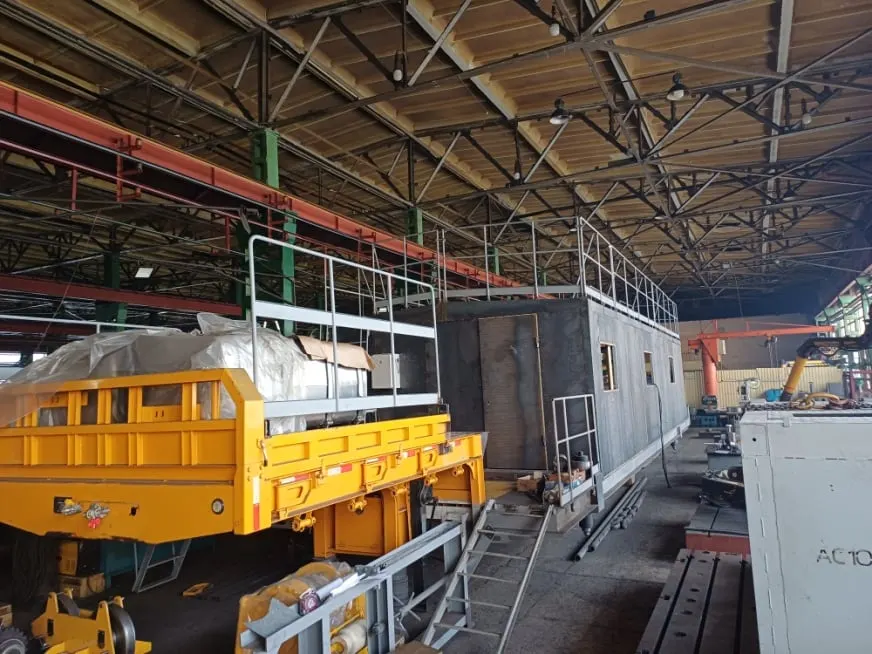
Body of the prototype drilling rig on a trailer chassis in the production workshop
Assembly of the prototype drilling rig in the workshop
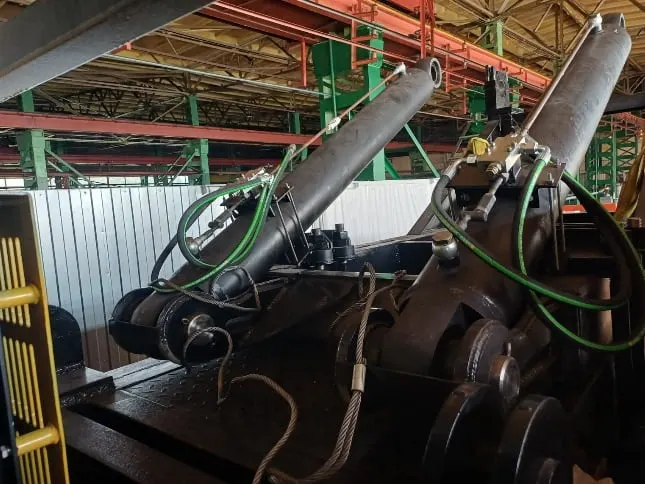
Hydraulic cylinders on the mast of the prototype drilling unit in the workshop
Hydraulic cylinders of the drilling mast
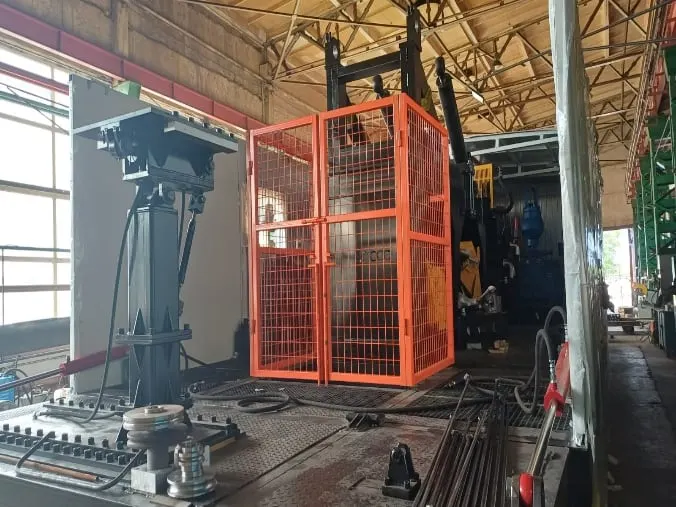
Positioner and portal of the prototype drilling rig in the workshop
Installed positioner and portal of the drilling rig

New research and development areas

  1. New area · 2026Selenium
    “Development of a technology for leaching selenium from depleted production blocks at the North Karamurun deposit (RU-6 LLP)”

    Objective

    To develop a new technology for leaching selenium from depleted production blocks.

  2. New area · 2026Medical isotopes
    “Study of potential raw material sources and development of a technology for producing medical isotopes”

    Objective

    To develop a technology for producing radium-226 (²²⁶Ra) for medical use. Radium isotopes have important applications in treating various forms of cancer and in other medical procedures.

    Expected results

    • Analysis and selection of the best raw material sources for extracting ²²⁶Ra
    • An efficient and safe ²²⁶Ra extraction technology
    • A laboratory unit for scaled-up laboratory testing of the technology
    • A pilot unit for scaled-up testing of the technology
    • A pilot batch of ²²⁶Ra meeting international standards
    • A feasibility assessment of commercial-scale deployment

Completed R&D

  1. Completed · 2024Gold and associated metals
    “Assessment of resource potential, and development and testing of a technology for recovering gold and associated valuable metals from depleted and operating blocks of uranium deposits”

    In a consortium with the Institute of High Technologies LLP

    Objective

    To assess the resource potential of gold and associated valuable components (scandium, germanium, rare metals and rare earth elements) and to justify the choice of technology for recovering them from depleted uranium blocks at the Semizbay deposit.

COME · operations

The branch at work

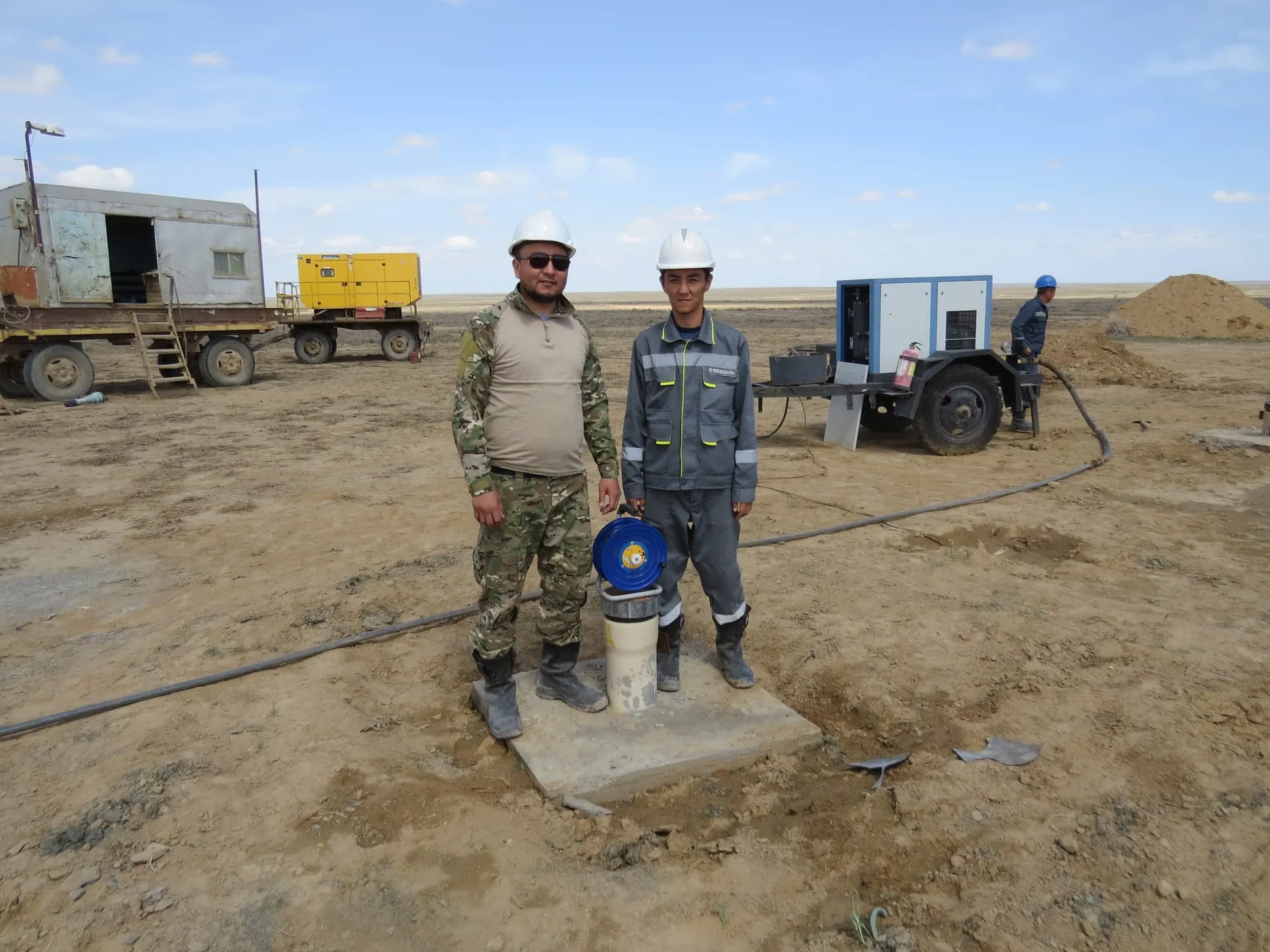
The exploration party carries out field and desk studies, the physical and chemical research laboratory analyses samples, and the digitalisation directorate turns geophysical data into electronic models of deposits.

Geological exploration

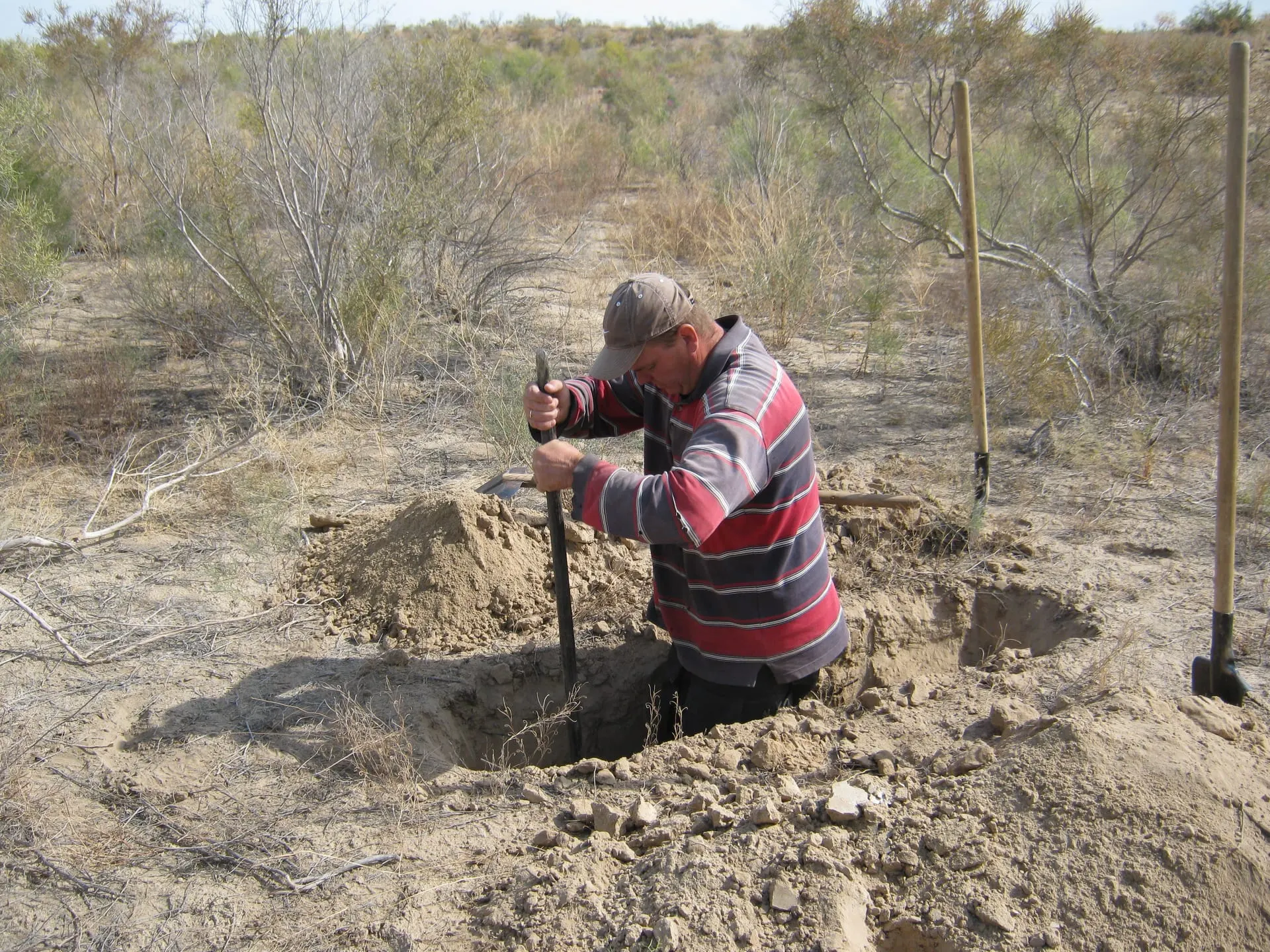
  • Digging test pits during environmental surveys
    Digging test pits during environmental surveys
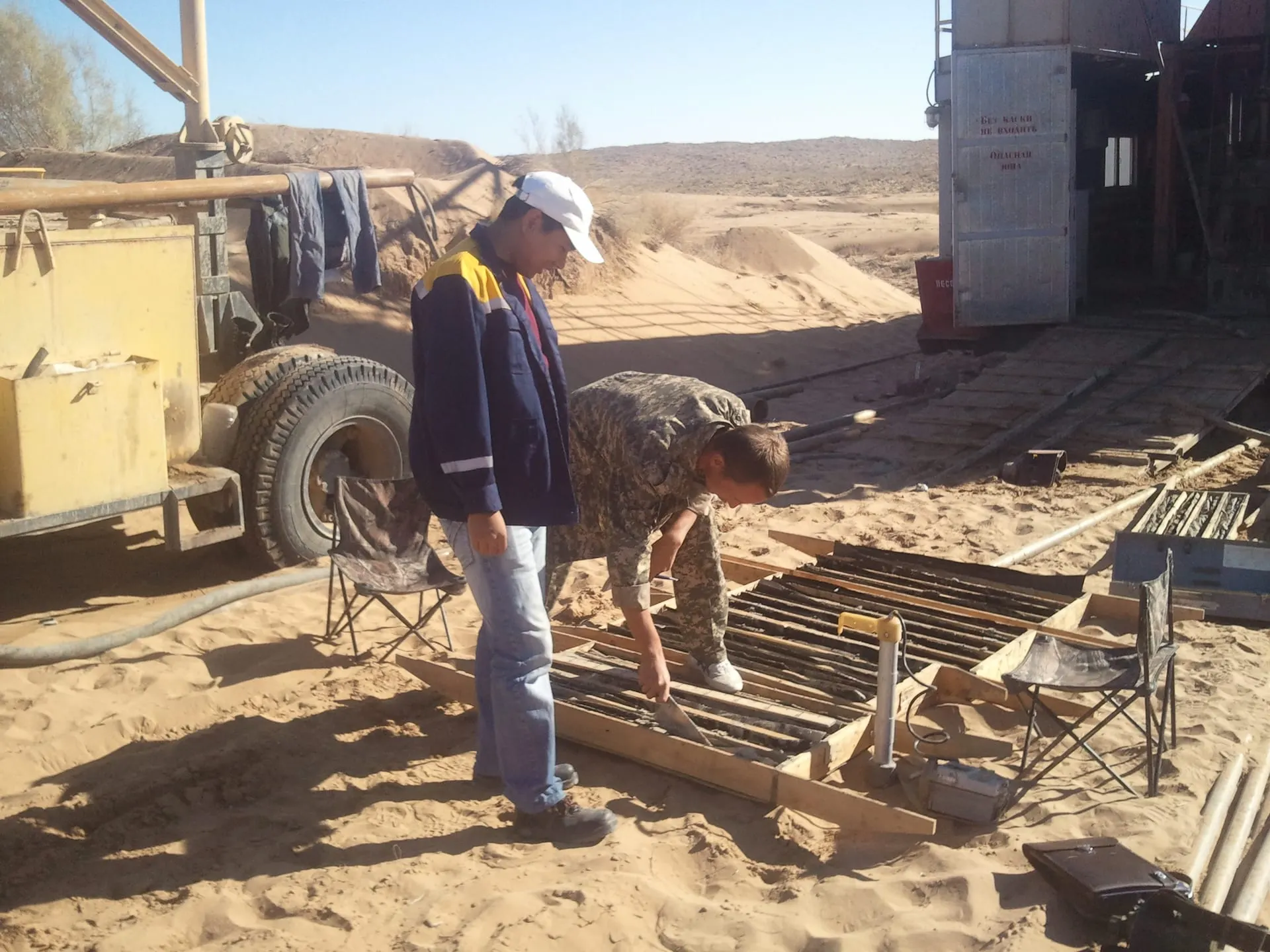
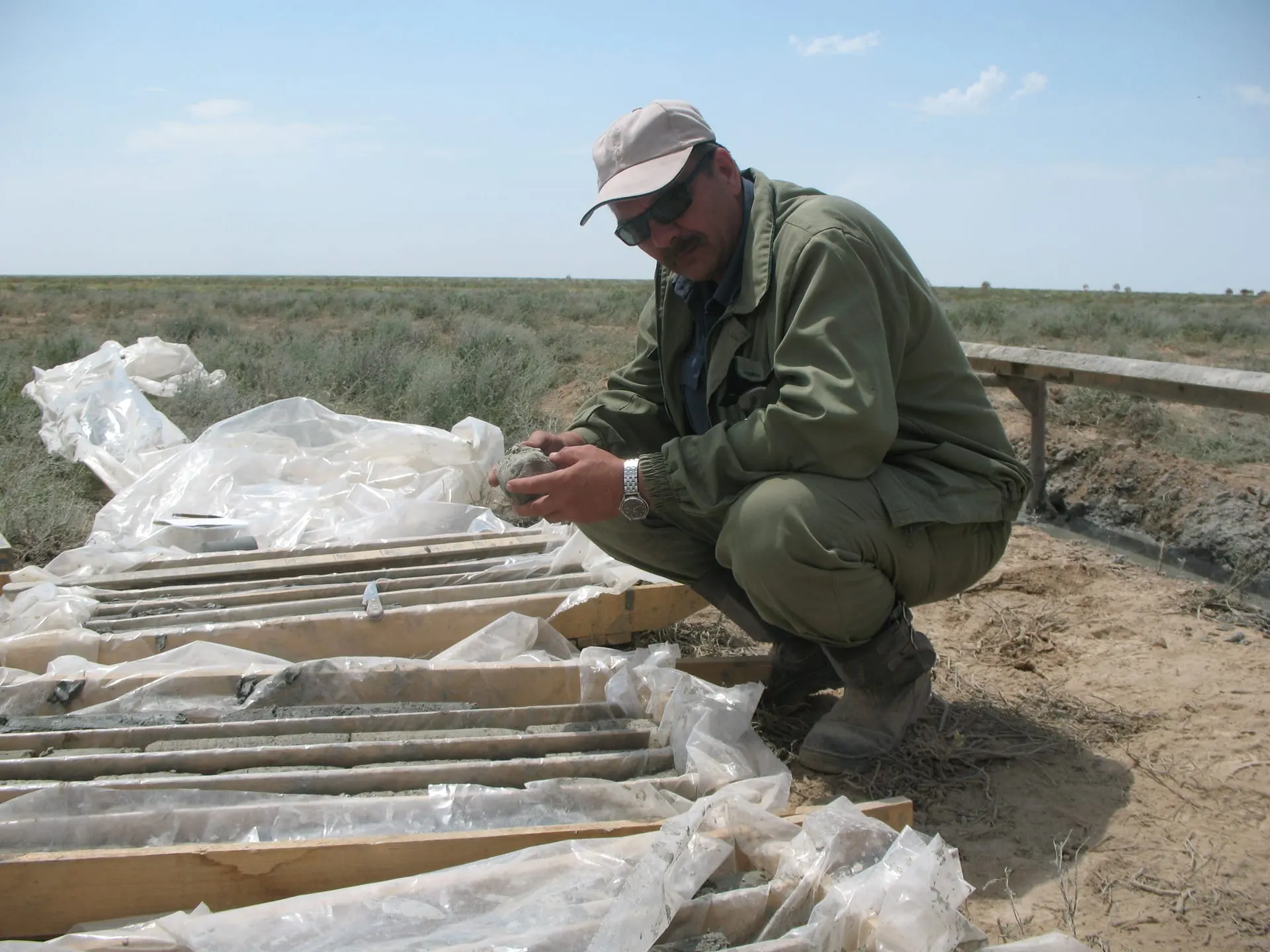
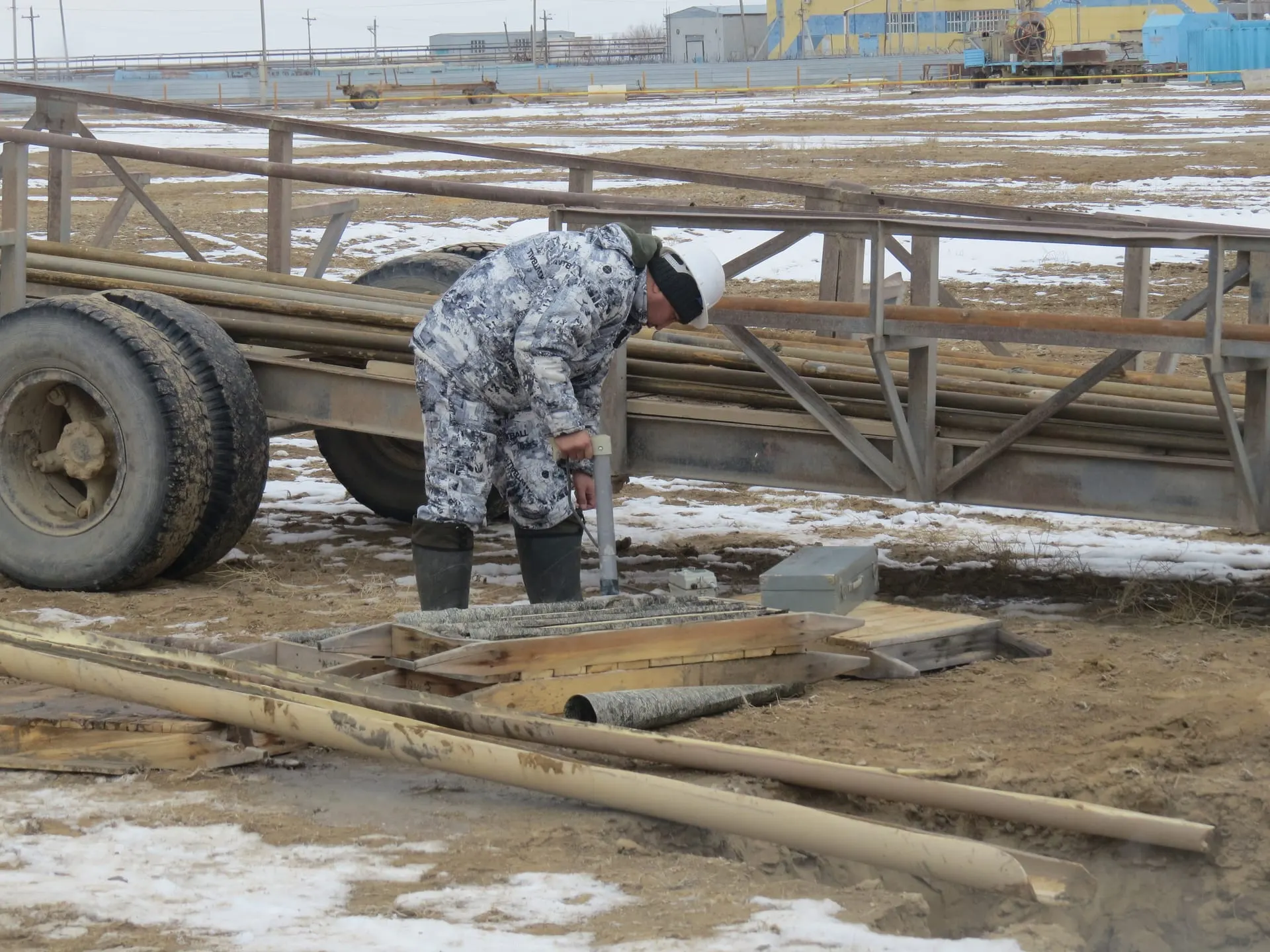
  • Core logging at the drilling site
    Core logging at the drilling site
  • Core sampling for laboratory analysis
    Core sampling for laboratory analysis
  • Downhole measurements
    Downhole measurements
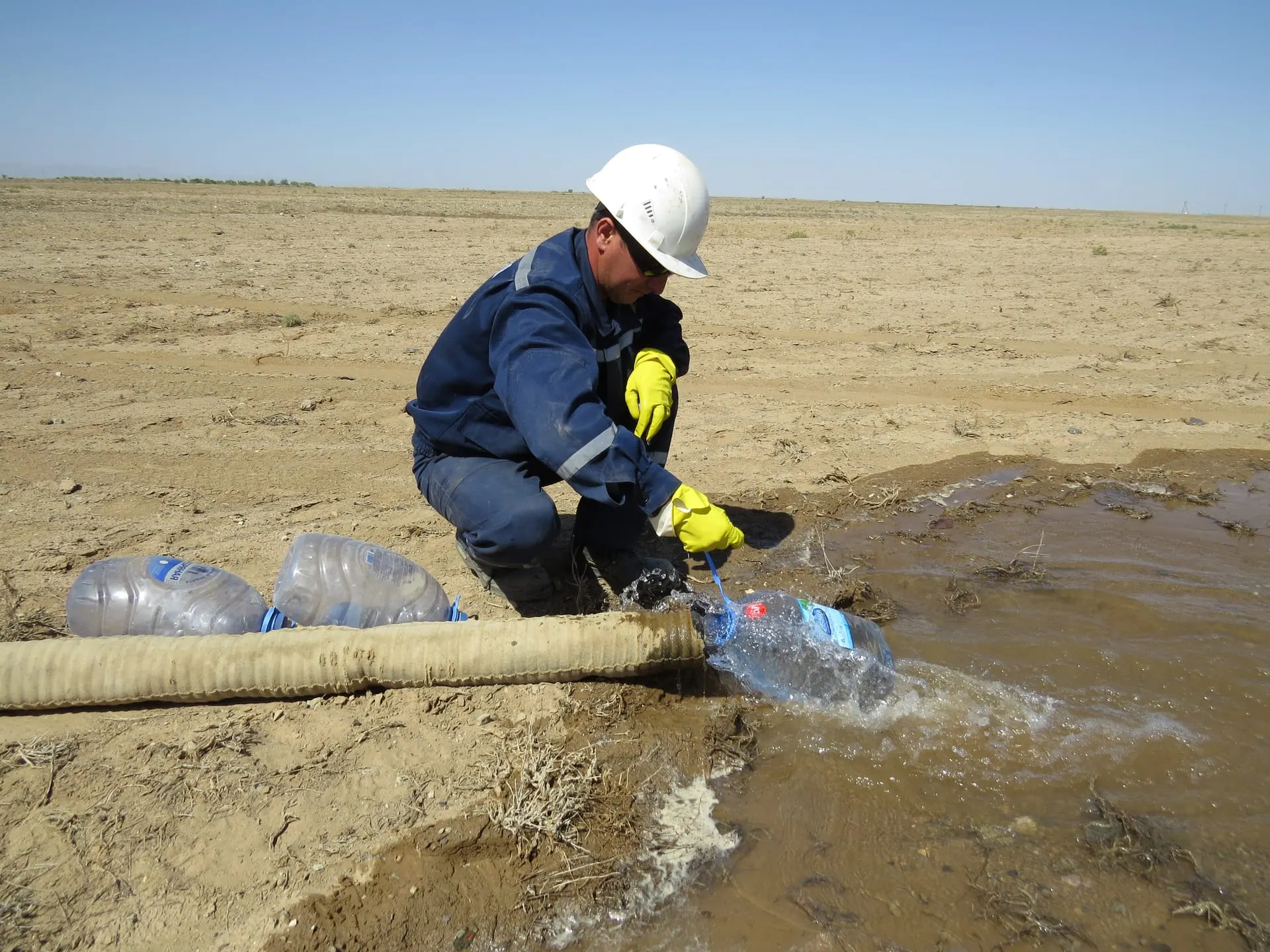
  • Water sampling
    Water sampling
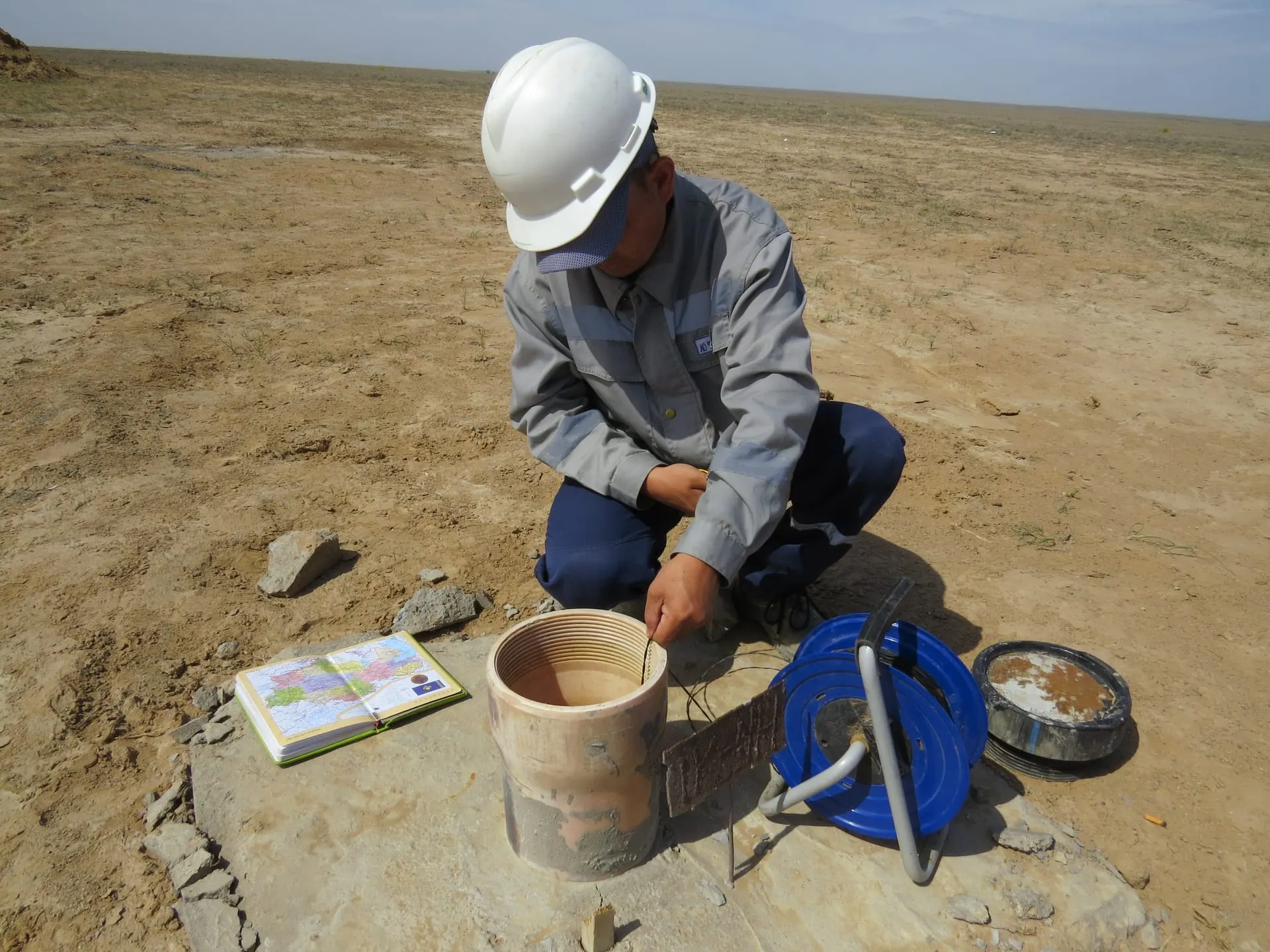
  • Hydrogeological measurements
    Hydrogeological measurements
  • Radiometric measurements
    Radiometric measurements
  • Environmental measurements at the work site
    Environmental measurements at the work site
  • Core examination in the core storage facility
    Core examination in the core storage facility
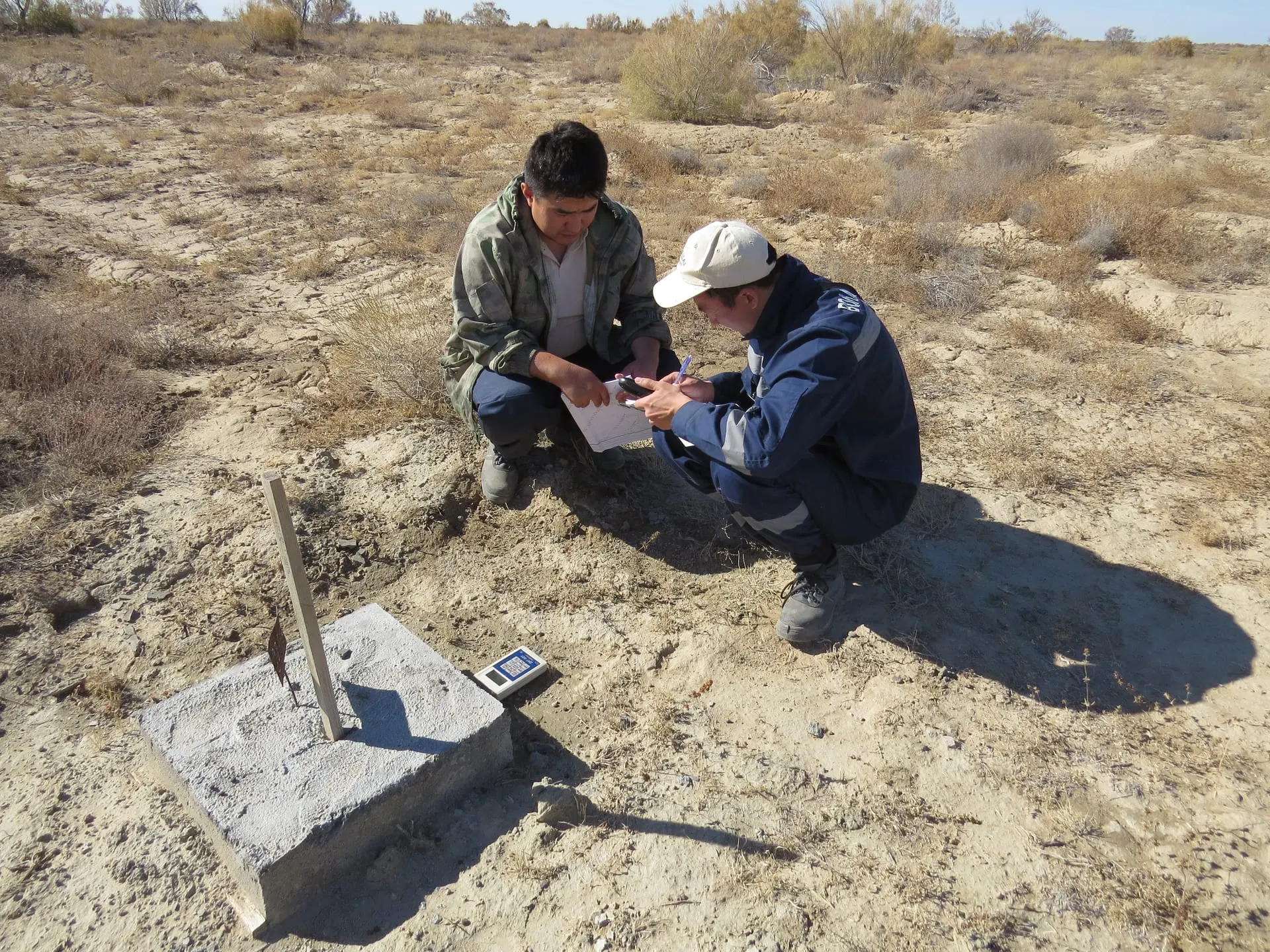
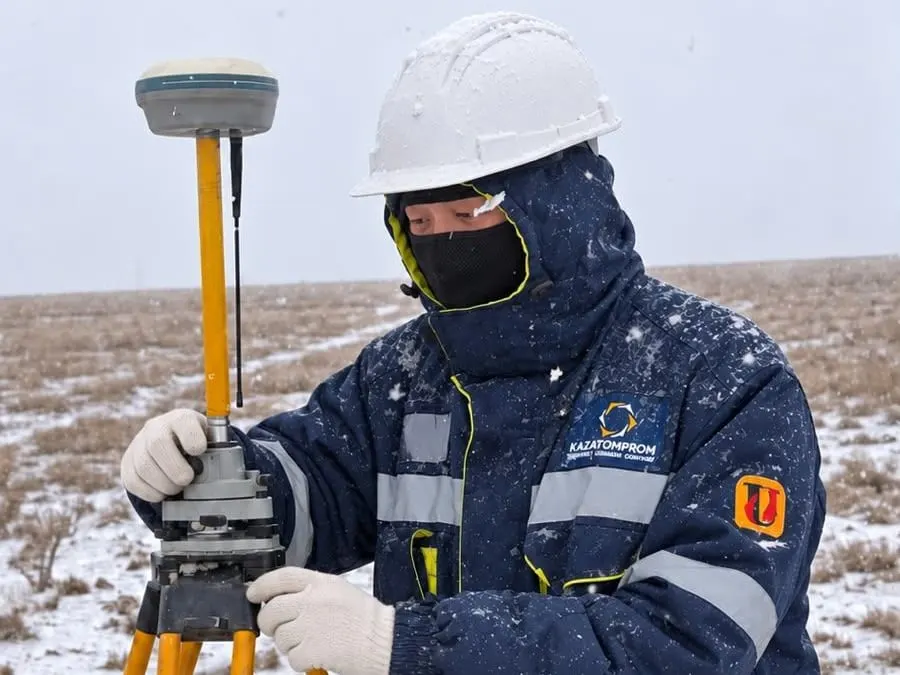
  • Topographic and geodetic survey with a GNSS receiver
    Topographic and geodetic survey with a GNSS receiver

Physical and chemical research laboratory

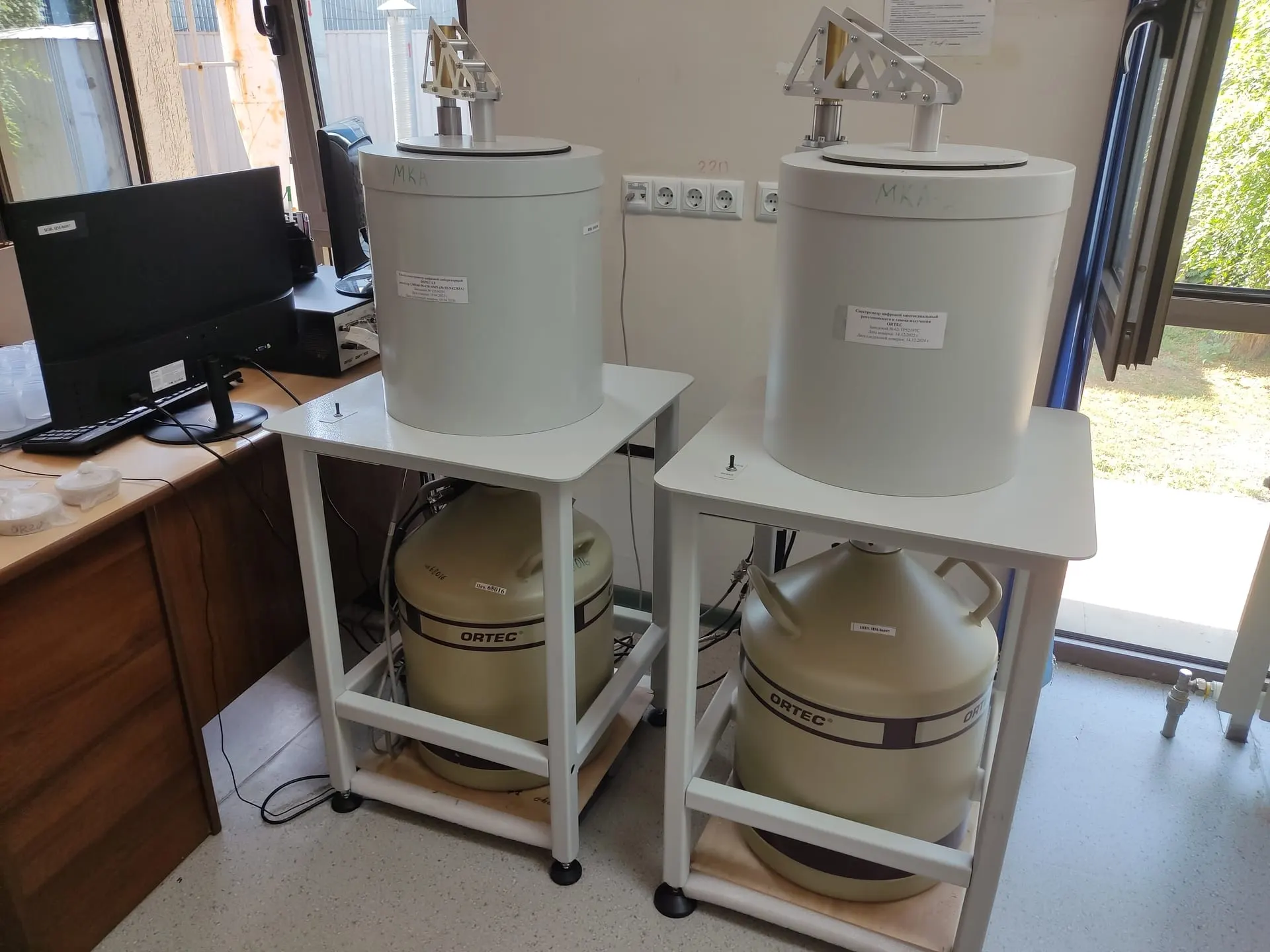
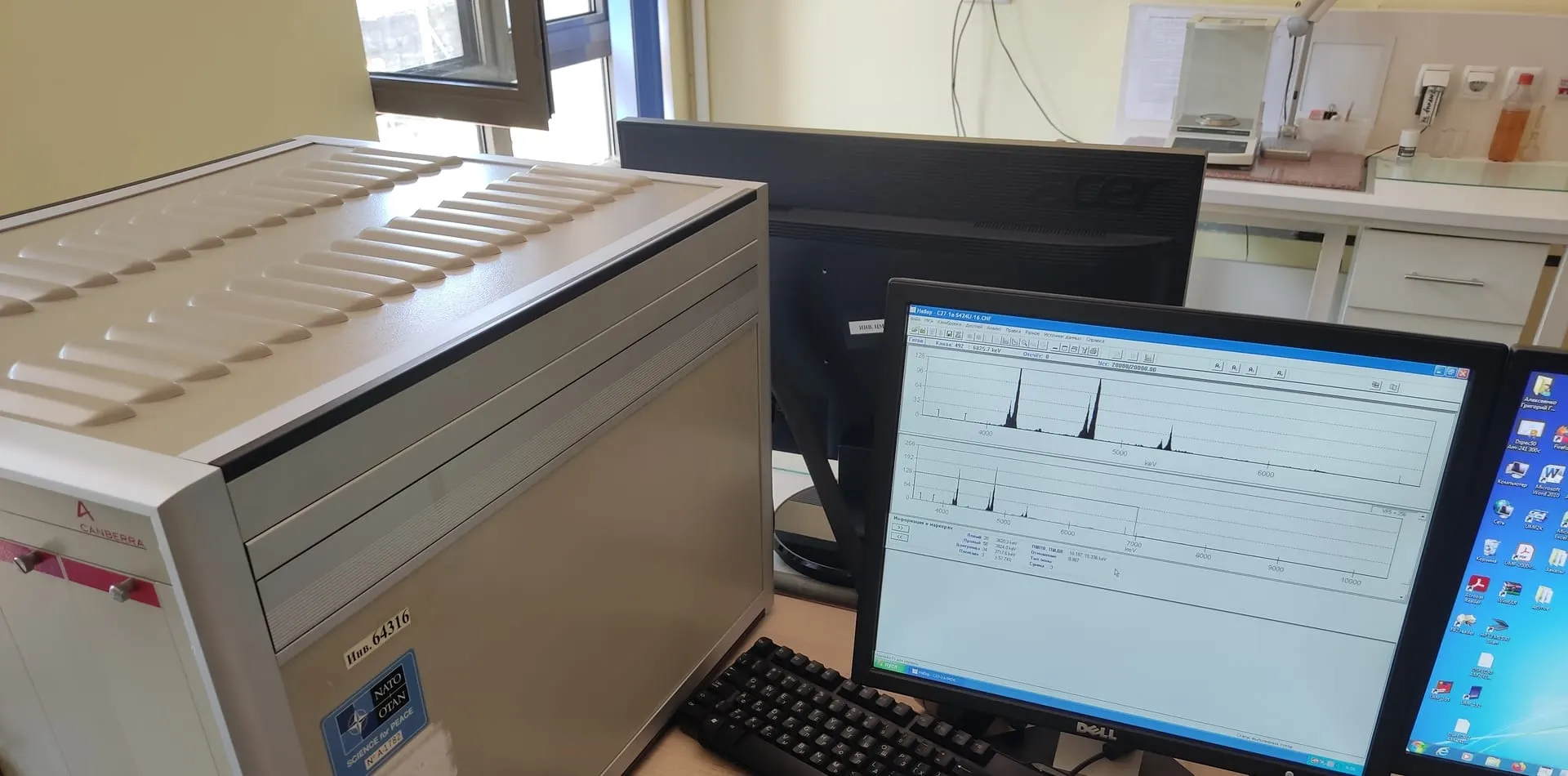
  • Gamma spectrometry
    Gamma spectrometry
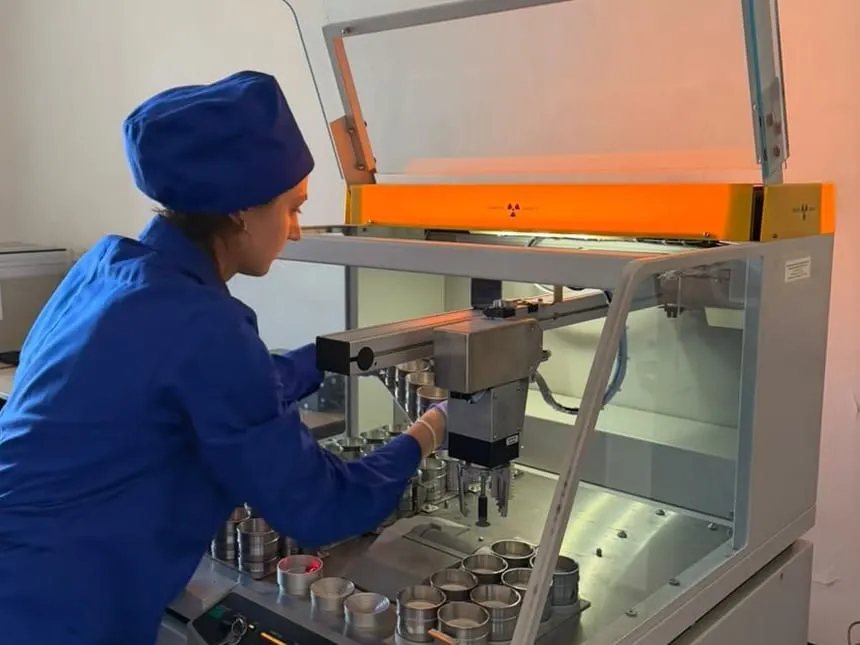
  • Loading samples into the X-ray fluorescence spectrometer
    Loading samples into the X-ray fluorescence spectrometer
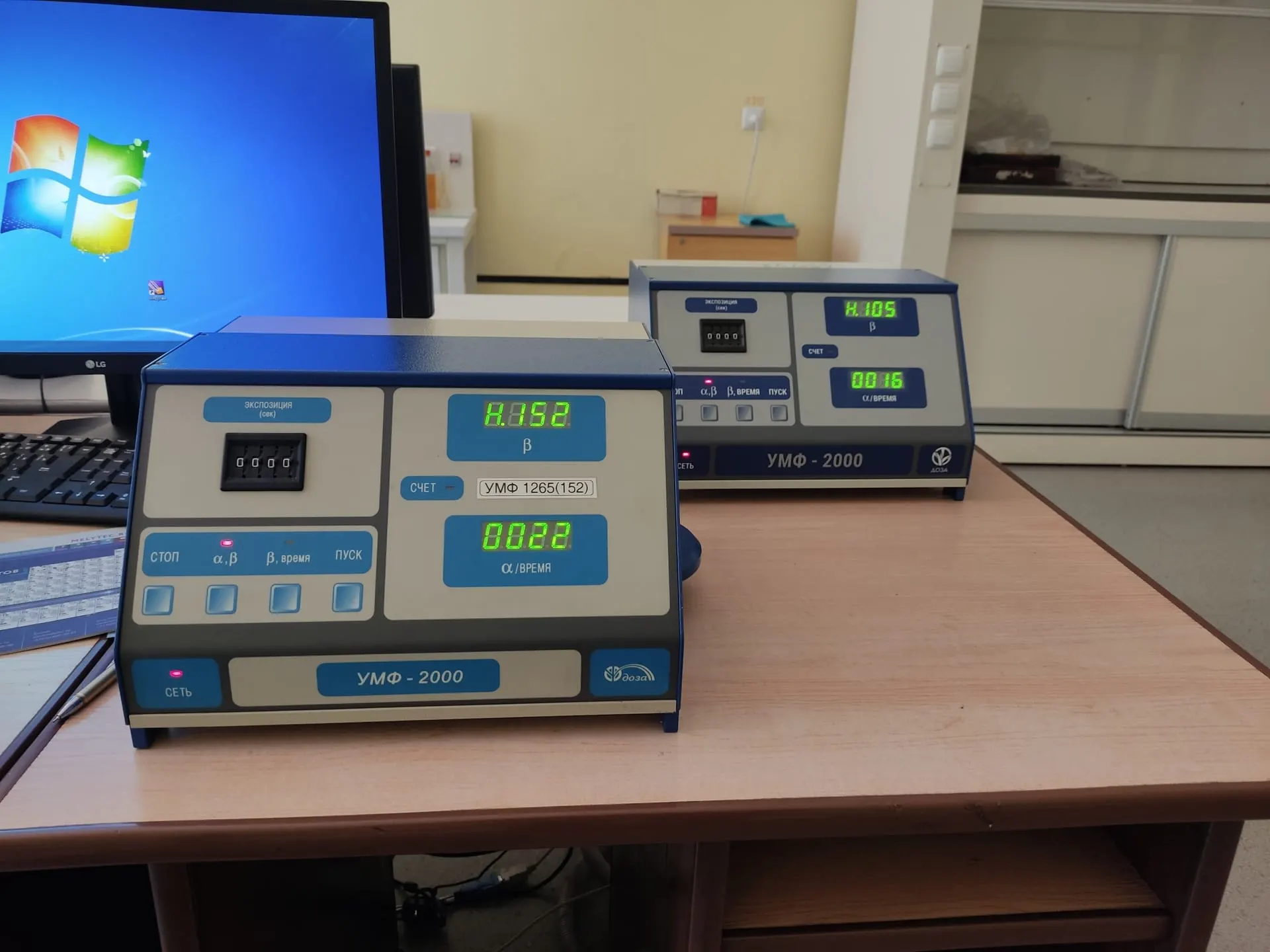
  • Uranium determination on a UMF analyser
    Uranium determination on a UMF analyser
  • Alpha spectrometry measurements
    Alpha spectrometry measurements
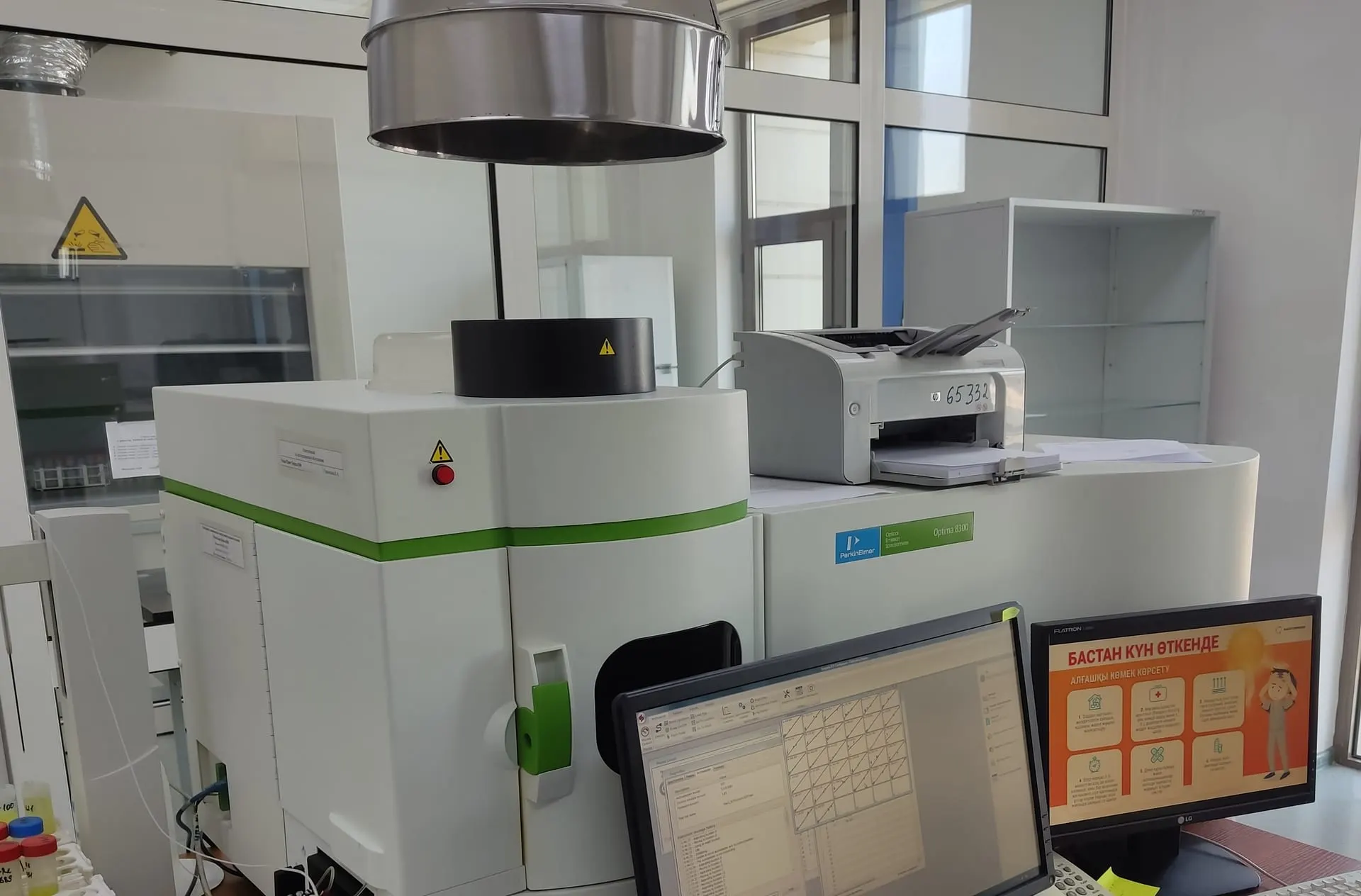
  • Optima optical emission spectrometer
    Optima optical emission spectrometer
  • Preparing laboratory glassware for analysis
    Preparing laboratory glassware for analysis

Digitalisation of geological data

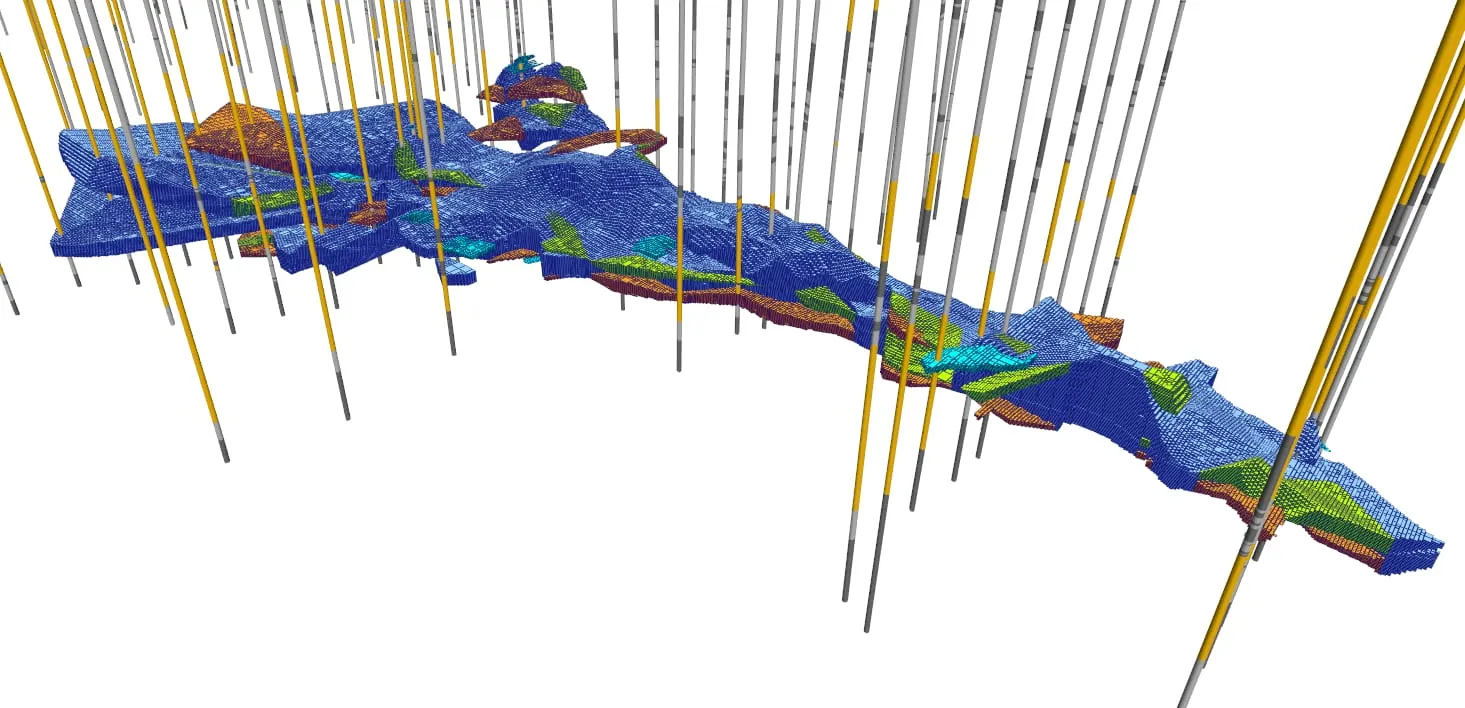
Geological resource models are built in Micromine from the database of borehole surveys.

  • Geological resource 3D model of a deposit
    Geological resource 3D model of a deposit
  • Ore body wireframes and the exploration borehole network
    Ore body wireframes and the exploration borehole network
  • Volumetric model of the ore bodies
    Volumetric model of the ore bodies

Operating geography · COME

Branch location

Address68 Griboyedov St., Almaty
Open map

Related content